
Grandparents as Caregivers: The Love, Stability, and Challenges Behind Kinship Care
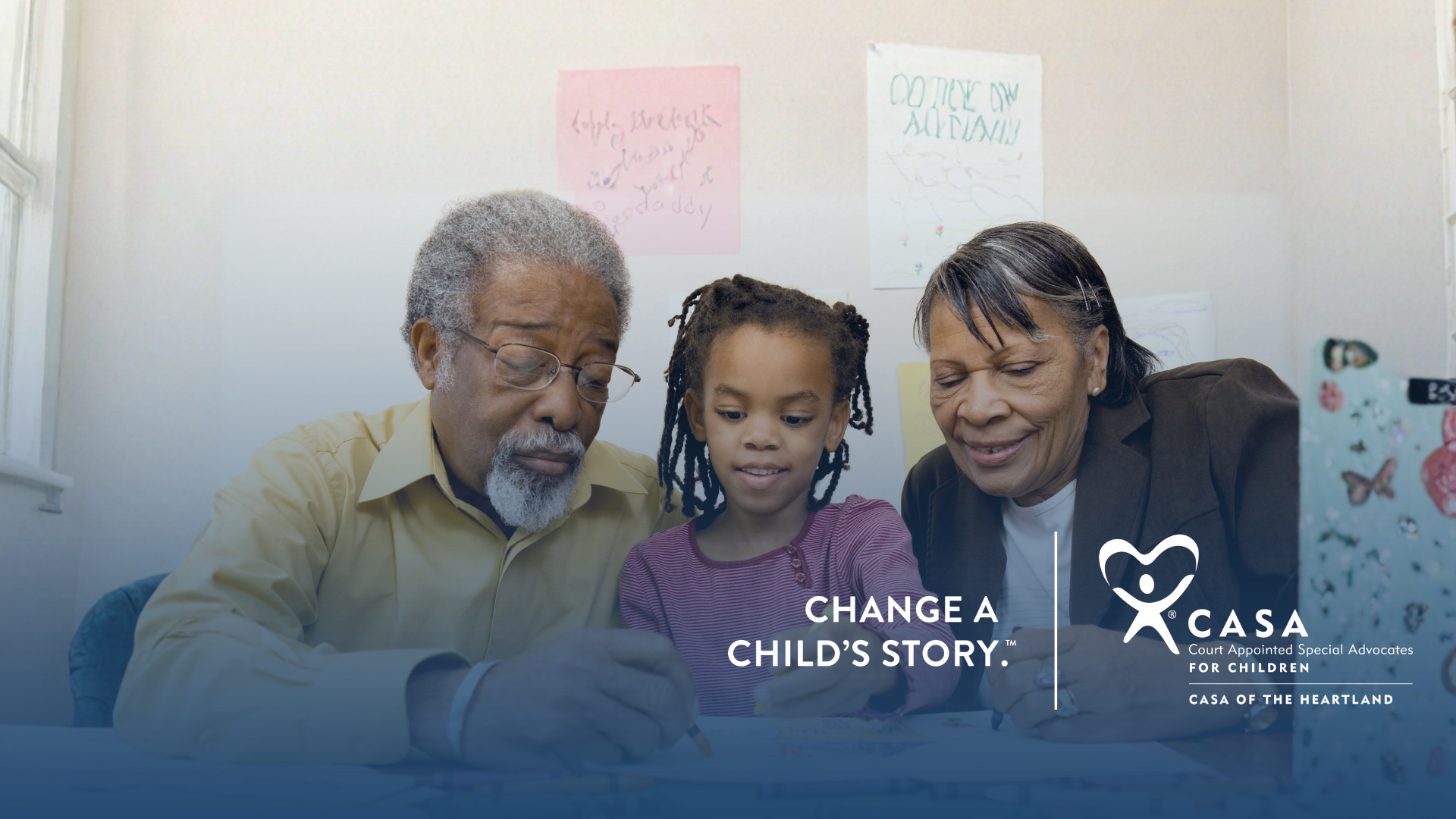
Grandparents Day is a time to celebrate the people who bring warmth, wisdom, and steady love to a family. For some children, however, grandparents are doing far more than sharing stories and family traditions. When life changes suddenly, they may step into full-time caregiving roles with little time to prepare.
Their care can provide stability during an uncertain time. It can also come with difficult decisions, unexpected expenses, and responsibilities they never anticipated carrying again.
What Is Kinship Care?
Kinship care occurs when a child is cared for by a relative or someone with a significant family-like relationship. This may include grandparents, aunts, uncles, adult siblings, extended relatives, or close family friends.
Some kinship arrangements are part of the formal foster care system, while others involve temporary custody or more informal caregiving arrangements. The type of placement can affect the financial assistance, training, and ongoing services available to the caregiver.
Regardless of the legal arrangement, kinship care can help children remain connected to familiar people, traditions, schools, communities, and routines during a time of upheaval.
Why Family Connections Matter
When it is safe and appropriate, preserving family connections can make a meaningful difference in a child’s life.
Grandparents often know a child’s history, understand their family traditions, and offer the comfort of a familiar voice and home. For children who have experienced abuse, neglect, loss, or instability, being cared for by someone they already know and trust can help reduce fear and restore a sense of belonging.
Kinship care can also preserve connections to siblings, extended family, language, culture, heritage, and community. These relationships are an important part of a child’s identity and can provide continuity when many other parts of life feel uncertain.
The Challenges Grandparents Carry
The decision to care for a grandchild is often rooted in love, but love does not eliminate the practical challenges caregivers face.
Grandparents and other kinship caregivers may encounter:
- Financial strain. Many caregivers live on fixed incomes and did not plan to return to full-time parenting. Food, clothing, transportation, childcare, school supplies, and other expenses can quickly place pressure on a household.
- Differences in available support. Depending on the placement and the caregiver’s eligibility, relatives may not automatically receive the same financial assistance, training, respite care, or ongoing support available to approved foster homes.
- Legal hurdles. Caregivers may need to navigate unfamiliar and time-sensitive processes to enroll a child in school, authorize medical care, obtain benefits, or participate in court proceedings.
- Healthcare responsibilities. Scheduling appointments, securing insurance coverage, coordinating services, and addressing a child’s physical or behavioral health needs can create another layer of responsibility.
- Emotional weight. Grandparents may be supporting a child through trauma while also coping with concern for their own adult child, changes in family relationships, and the physical and emotional demands of caregiving.
These challenges do not diminish the strength of kinship care. They demonstrate why the families providing that care deserve meaningful support.
Support in Kentucky and the Gaps That Remain
Kentucky offers several resources for eligible relative and fictive kin caregivers, including financial assistance programs, childcare support, medical coverage, referrals, and individualized peer support. Eligibility and the level of assistance available can vary based on the caregiver’s income, the child’s custody status, and whether the home has been approved as a foster home.
That can leave families trying to understand a complicated system while responding to a child’s immediate needs. Some caregivers may not know which programs exist, may not qualify for certain forms of assistance, or may struggle to complete the necessary steps while managing work, appointments, school, and court involvement.
Kentucky caregivers looking for information can contact the state’s Kinship Support Hotline at 877-565-5608 or visit the Kentucky Relative and Fictive Kin Service Array to learn about available resources.
Community support matters, too. When schools, churches, service organizations, neighbors, and local leaders understand what kinship caregivers are carrying, they are better prepared to respond with practical help, compassion, and encouragement.
Where CASA Fits In
CASA of the Heartland volunteers are trained community advocates appointed by judges to focus on the best interests of children who have experienced abuse or neglect.
When a child is living with grandparents or another relative, the CASA volunteer gets to know the child, gathers information from the people involved in their life, and helps ensure the child’s voice is heard in court. The volunteer may draw attention to school stability, medical and behavioral health needs, sibling and family connections, and the practical circumstances affecting the placement.
CASA does not replace the love or responsibility of a grandparent. A CASA volunteer adds another consistent person whose focus remains on the child’s safety, well-being, and opportunity to reach a safe, permanent home.
Love That Deserves Support
Kinship care is built on love, sacrifice, and a deep desire to keep children connected to the people and relationships that help them know who they are.
This Grandparents Day, we honor the grandparents who step forward when their families need them most. Their willingness to provide a familiar home can change the course of a child’s life. They should not have to carry that responsibility alone.
To learn more about how CASA of the Heartland supports children and families across our region, visit casaheartland.org.